

What Changes When a Dancer Designs the Dancewear
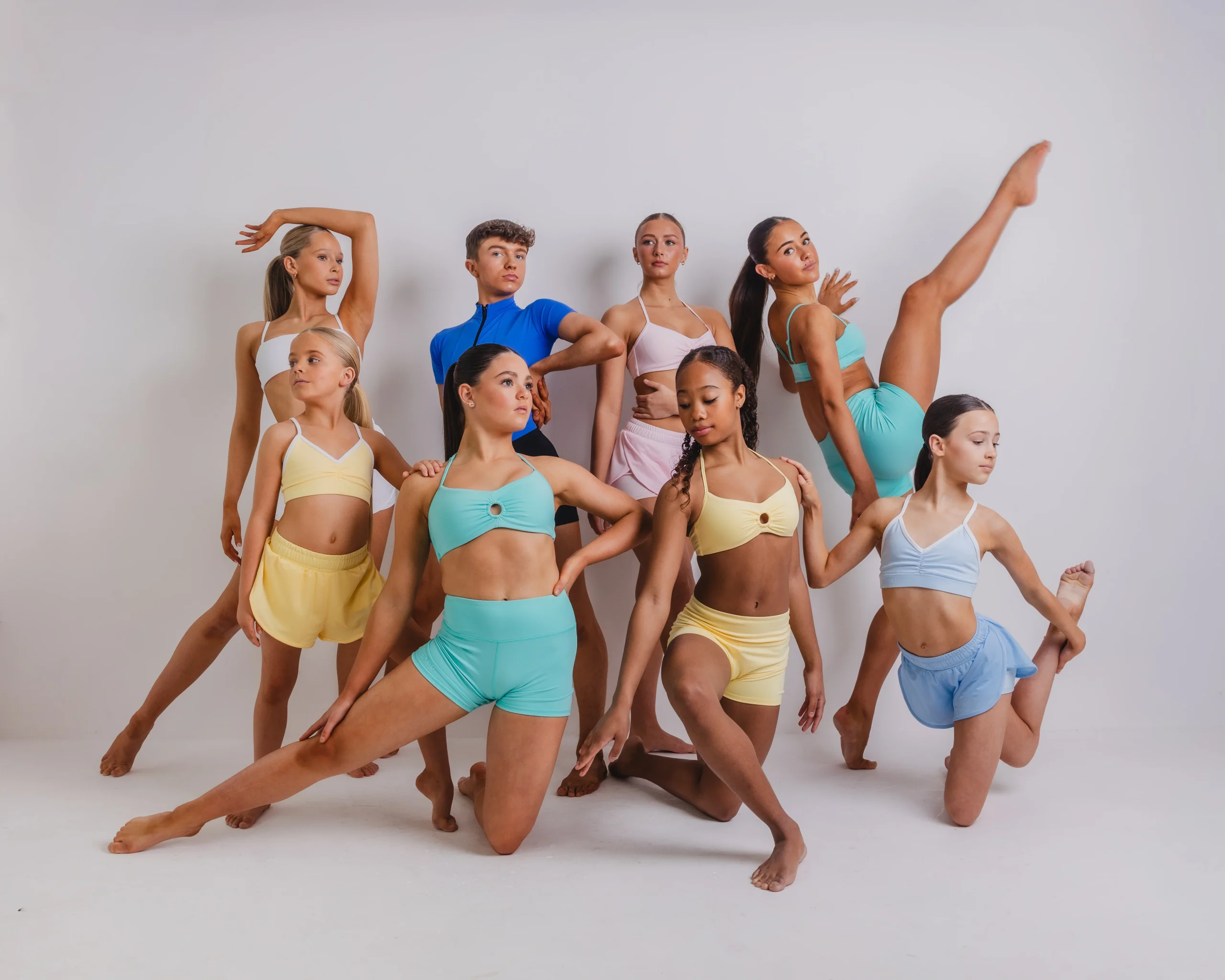
Most performance clothing is designed by people who do not perform in it. The dance industry has been steadily correcting that, and signature lines developed with working dancers have become one of the more interesting developments in the category. Tiger Friday’s Gracyn French collection sits within a wider Dancer Collection built this way, with named dancers attached to specific ranges of crop tops, leggings, briefs and coordinating sets. The model is worth understanding, because it changes what ends up in the garment and what to look for when you shop one.
The problems only a dancer notices
Anyone can identify an obvious flaw. The useful observations are the ones that take a hundred hours of wear to surface.
A seam that sits fine standing up and presses uncomfortably during floorwork. A waistband that holds through everything except an inversion. A strap that behaves perfectly until sweat changes how fabric moves against skin. A neckline that frames well from the front and gapes the moment the torso goes horizontal.
None of these appear in a fitting room. They appear in the third hour of a convention weekend, and the person who notices them is the one wearing the garment through it. That is the entire argument for dancer-led design, and it explains why these collections tend to be strongest on the unglamorous details.
Separates over single pieces
Signature collections skew toward mix-and-match separates rather than one-piece garments, and that reflects how training actually works.
A dancer moving through ballet, jazz, contemporary and hip-hop in a single day needs different coverage and different silhouettes for each, and cannot change entirely between them. Separates let one bottom carry across three classes while the top changes, or the reverse. Coordinating pieces within a range mean the combinations work together without planning.
It also spreads cost sensibly. Four pieces designed to combine produce considerably more usable outfits than four unrelated ones, which matters when growth means replacing things regularly.
Judging whether a signature collection is real
Not every collection with a name attached involved that person in the design. Three things separate genuine collaboration from licensing.
Distinctiveness. Does the collection contain construction or silhouette choices you do not see in the brand’s main range? Real input produces specific decisions. A name applied to existing product produces a colorway.
Coherence. Do the pieces work as a wardrobe rather than as unrelated items sharing a print?
Longevity. Collections that continue across multiple releases usually reflect an ongoing working relationship. One drop and silence often does not.
Fit still needs checking
A signature collection tells you about design intent, not about whether it fits you. The usual checks apply regardless of whose name is on it.
Test everything in motion rather than standing still. Raise both arms overhead. Roll to the floor and come back up. Check whether waistbands migrate, whether straps travel, and whether anything requires a discreet adjustment, because an adjustment needed once is an adjustment needed every class. For anything pale, stretch the fabric against the light before committing.
Why the model spread
Dancers are a discerning audience. They train in these clothes for more hours a week than most people wear anything, and they know immediately whether a garment was designed by someone who understood the demands.
Tiger Friday manufactures its range in small batches in the United States and runs signature collections with a roster of working dancers rather than a single ambassador, which allows different ranges to solve different problems across styles and body types.
Look for the details that only experience produces, and the difference between designed-for and designed-by becomes easy to spot.
