

Choosing the right saddle is an important decision for every rider. A saddle affects how comfortable the rider feels, how the horse moves, and how effectively both can work together during different activities.
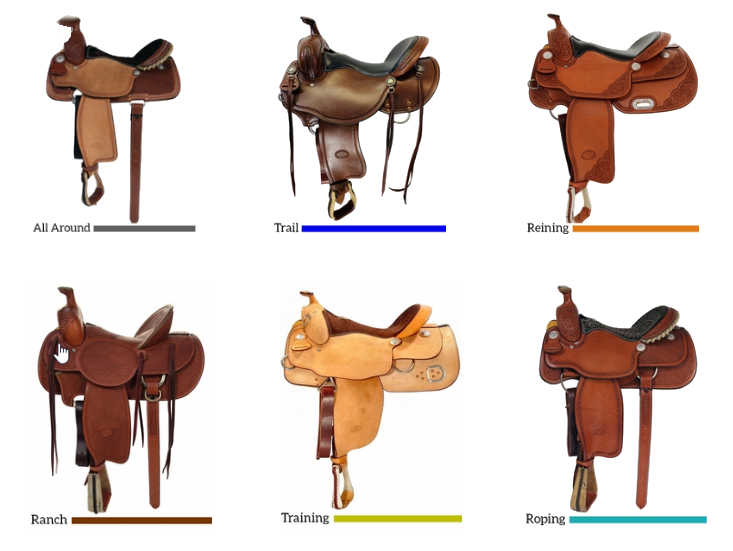
Western riding includes many disciplines, from relaxed trail rides to competitive events and ranch work. Because each activity requires different levels of movement, balance, and support, saddle designs have developed to meet specific needs. Understanding the different types of western saddles can help riders choose equipment that matches their goals.
Western saddles may look similar at first glance, but differences in design, seat shape, horn style, and construction determine how each saddle performs.
Why Are There Different Types of Western Saddles?
Western saddles were originally developed for working riders who spent long hours on horseback, particularly in ranch environments. Over time, riders began using horses for different purposes, leading to specialized saddle designs.
A saddle built for cattle work requires different features than one designed for speed events or recreational riding.
Important design differences include:
- Seat depth
- Saddle weight
- Horn style
- Cantle height
- Stirrup placement
- Tree design
These elements influence rider security, horse comfort, and overall performance.
Common Types of Western Saddles
Trail Saddles
Trail saddles are designed for riders who enjoy outdoor riding and longer journeys. Comfort is usually the main priority, as riders may spend several hours in the saddle.
Common features include:
- Comfortable seat designs
- Balanced weight distribution
- Durable materials
- Attachment points for gear
Trail saddles are often chosen by recreational riders who want dependable support during relaxed rides through different environments.
A properly fitted trail saddle helps distribute rider weight across the horse’s back, supporting comfort for both horse and rider.
Ranch Saddles
Ranch saddles are built for riders who spend significant time working around livestock. These saddles prioritize durability and stability because ranch work often requires long hours and changing conditions.
Common characteristics include:
- Strong construction
- Durable leather
- Secure seating position
- Support for everyday riding tasks
For riders who need a dependable saddle for regular use, ranch saddles provide a practical option.
Roping Saddles
Roping saddles are designed for activities that involve cattle work and rope handling. These saddles are built to withstand demanding movements while providing rider stability.
Typical features include:
- Reinforced saddle trees
- Strong horns
- Secure rider position
- Durable materials
The heavier construction helps support the demands of roping activities.
Barrel Racing Saddles
Barrel racing requires speed, balance, and quick directional changes. Barrel saddles are designed to help riders maintain security while allowing horses freedom of movement.
Key features often include:
- Lightweight construction
- Deep seats
- Supportive cantles
- Designs suited for quick turns
Unlike heavier working saddles, barrel saddles focus on agility and rider balance during fast-paced events.
Cutting Saddles
Cutting saddles are designed for riders participating in cutting competitions, where horses must make quick movements while separating cattle from a herd.
These saddles typically provide:
- A close connection between horse and rider
- Wide swells
- Deep seating
- Freedom for horse movement
The design helps riders stay balanced while allowing the horse to respond quickly.
Reining Saddles
Reining saddles are created for controlled movements, including spins, stops, and precise maneuvers.
Important features include:
- Balanced design
- Comfortable seating
- Freedom for rider leg movement
These saddles help riders communicate effectively with their horses during performance riding.
All-Around Saddles
All-around saddles are designed for riders who participate in different activities and want a versatile option.
They can work well for:
- General Western riding
- Lessons
- Recreational use
- Light ranch activities
For beginners or riders with multiple interests, an all-around saddle can provide flexibility without requiring several specialized saddles.
How to Choose the Right Western Saddle
Selecting a saddle requires considering both rider needs and horse comfort.
Consider Your Riding Activity
The first step is understanding how you will use the saddle.
Ask yourself:
- Do you mainly trail ride?
- Do you work with livestock?
- Are you involved in competitions?
- Do you need an everyday saddle?
Choosing a saddle designed for your primary activity can improve comfort and performance.
Focus on Horse Fit
A saddle must fit the horse correctly. An incorrect fit can create discomfort and affect movement.
Important considerations include:
- Tree width
- Saddle length
- Horse back shape
- Weight distribution
The right saddle should support the horse while allowing natural movement.
Prioritize Rider Comfort
Riders should also consider:
- Seat size
- Seat depth
- Stirrup position
- Overall balance
A comfortable rider is better able to maintain proper position and communicate with the horse.
Consider Saddle Quality
Materials and craftsmanship influence how long a saddle will last.
Look for:
- Quality leather
- Strong stitching
- Reliable hardware
- Proper construction
A well-maintained saddle can provide years of dependable use.
Maintaining Your Western Saddle
Proper care helps protect your investment.
Helpful maintenance practices include:
Clean Regularly
Remove dirt and dust after use to prevent buildup.
Condition Leather
Leather conditioner helps maintain flexibility and appearance.
Store Properly
Keep the saddle in a dry location away from extreme temperatures.
Check Hardware
Inspect buckles, stitching, and attachments regularly.
Routine care helps preserve saddle condition and comfort.
Final Thoughts
Understanding the different types of Western saddles makes it easier for riders to choose equipment that matches their goals. Whether you enjoy trail riding, ranch work, competition, or general Western riding, the right saddle can improve comfort and create a better connection between horse and rider.
Before purchasing, consider your riding style, horse’s needs, and the features that matter most for your activities.
For riders looking for quality Western saddle options and expert guidance, Saddle Up Colorado offers a range of saddles designed for different riding styles and needs. Explore available options to find the right saddle for your next ride.
