

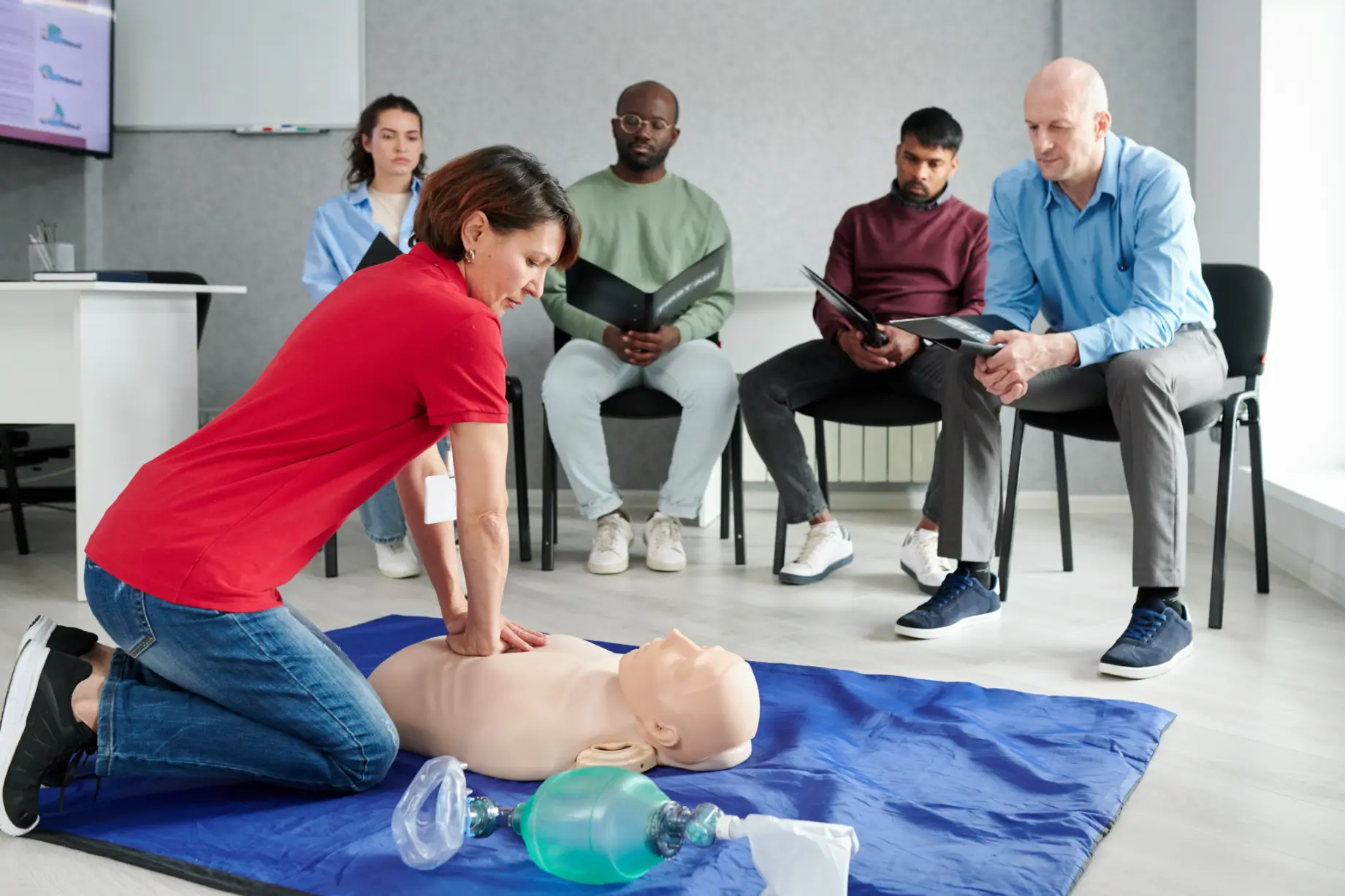
Online CPR Certification in Canada: A Practical Guide to Choosing the Right Course
Demand for flexible, self-paced safety training has grown steadily across the country, and online cpr certification canada is now among the most common search paths for professionals and parents alike. The appeal is straightforward. Course material is available on demand, completion takes hours rather than a full day away from work, and costs are typically a fraction of classroom alternatives. What matters is understanding what online training does exceptionally well, and confirming that the certification you choose matches the requirement you actually need to satisfy.
What Online Training Delivers
The knowledge component of CPR education adapts to digital delivery better than most subjects. Compression depth and rate, the compression to ventilation ratio, recognition of cardiac arrest versus other emergencies, AED operation, choking response, and the chain of survival are all conceptual material that learners absorb effectively through structured modules, video demonstration, and knowledge checks.
Online formats also offer something a single classroom session cannot: repetition. Learners can revisit a module on infant CPR or AED pad placement as many times as needed, at the point when the information is most relevant. Retention research consistently shows that CPR skills decay within months of training, and easy access to review material addresses a genuine weakness in the traditional model.
Quality programs build their curriculum on current internationally recognized resuscitation science. When evaluating any provider, confirm that the course content reflects the most recent guideline cycle rather than an outdated revision, and that materials are updated when guidance changes.
Match the Certification to the Requirement
This is the step most buyers skip, and it is where confusion arises.
Certification requirements in Canada fall into three broad categories, and they are not equivalent.
Personal preparedness. Parents, grandparents, caregivers, coaches, and members of the public who want the skills for family or community situations face no regulatory requirement at all. Online certification serves this group completely.
Employer or organizational policy. Many workplaces, including fitness facilities, private clinics, community organizations, and some educational and childcare settings, set their own training standards. Some accept online certification outright, others prefer it for refresher cycles while requiring an initial in-person course, and others specify a particular format. Ask your employer or credentialing body directly what they accept before purchasing anything.
Provincial occupational health and safety regulation. Workplace first aid requirements in Canada are set province by province, not federally, and several provincial regulators require a documented hands-on skills demonstration for the certificates that satisfy their workplace standards. If your training is being taken to meet a provincial OHS obligation, verify the specific requirement with your provincial regulator or your workplace health and safety representative. Where a practical component is required, online coursework can still cover the knowledge portion efficiently, with the skills check completed separately.
None of this diminishes the value of online training. It simply means the honest question is not whether online certification is legitimate, but which requirement you are trying to meet.
Evaluating a Provider
A few practical criteria separate serious programs from the rest.
Look for clearly stated guideline alignment, including compliance with American Health Association (AHA guidelines compliant) standards where applicable, and transparency about when content was last reviewed. Confirm how quickly you receive your certificate and whether a printable card is issued immediately on completion. Check the standard two year renewal cycle and whether the provider sends reminders. If you are training a team, ask about group rates and administrative tools for tracking completion across staff. Finally, look for a clear refund policy, which signals a provider confident in what it delivers.
Be cautious of any program that will not tell you plainly what its certification does and does not cover.
Who Benefits Most
Healthcare professionals often use online modules to refresh knowledge between formal recertification cycles, particularly on protocols they encounter infrequently. Childcare and education staff benefit from pediatric-focused content covering infant and child CPR and choking response, which differs meaningfully from adult protocols. Fitness and wellness professionals work with populations under cardiovascular stress and are frequently first on scene. Parents and caregivers gain the ability to act in the minutes before emergency services arrive, which is precisely the window where outcomes are determined.
Getting Started
Decide first which requirement applies to you, then choose the format that satisfies it. For personal preparedness and for many workplace policies, a well-built online course delivers the knowledge quickly and affordably. For regulated workplace certification, confirm the format your province requires before you enroll.
To review course options across CPR, BLS, and first aid, compare pricing, and see what each certification covers before committing, visit Simple CPR and select the program that fits your situation and your schedule.
