

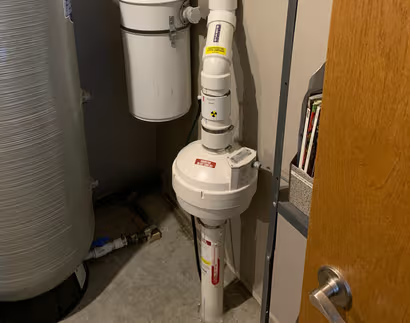
Indoor air quality is an important consideration for homeowners, particularly when dealing with invisible contaminants such as radon. This naturally occurring radioactive gas can enter buildings through foundation openings and accumulate indoors. Installing a properly selected Radon Mitigation Fan Kit as part of a professionally designed radon reduction system can help manage this risk. Understanding how these systems work and what to look for when choosing equipment is essential for maintaining a healthier indoor environment.
Understanding Radon and Its Impact on Indoor Air Quality
Radon is a colorless, odorless radioactive gas produced by the natural breakdown of uranium in soil and rock. It can enter homes through foundation cracks, construction joints, sump pits, and other openings.
Prolonged exposure to elevated radon concentrations increases the risk of lung cancer. According to the Environmental Protection Agency (EPA), homeowners should take corrective action when radon concentrations reach 4 picocuries per liter (pCi/L) or higher. The agency also recommends considering mitigation when levels fall between 2 and 4 pCi/L.
Because radon cannot be detected through sight or smell, testing is necessary to determine whether mitigation is required.
What Is a Radon Mitigation Fan Kit?
A radon mitigation fan kit contains a specialized fan and associated installation components used in active radon reduction systems.
One common approach is active sub-slab depressurization, which creates negative pressure beneath a building’s foundation. This pressure difference helps prevent radon-containing soil gases from entering occupied spaces.
The fan continuously draws soil gases into a connected piping system and directs them outdoors through an appropriately positioned exhaust outlet.
Unlike ordinary ventilation fans, radon mitigation fans are designed to operate continuously while overcoming resistance within the soil and piping system.
A properly designed system can substantially reduce indoor radon concentrations, although results depend on foundation conditions, equipment selection, and installation quality.
Key Factors to Consider When Choosing a Radon Mitigation Fan Kit
Selecting suitable equipment requires more than identifying a fan that fits the existing piping. Several technical considerations influence system performance.
1. Airflow Capacity and Static Pressure
Airflow capacity, commonly expressed in cubic feet per minute (CFM), indicates the volume of air a fan can move.
However, airflow alone does not determine whether a fan is appropriate for radon mitigation.
Static pressure capability is equally important because the equipment must overcome resistance created by soil conditions, pipe length, fittings, and suction-point configuration.
Contractors should evaluate fan performance curves against the system’s expected operating requirements before selecting equipment.
2. Foundation and Soil Conditions
Every home has different foundation characteristics that influence radon movement.
Properties with porous soil beneath concrete slabs may allow air to travel relatively freely, while tightly compacted soil can create greater resistance.
Homes with basements, crawl spaces, or multiple foundation sections may require different mitigation approaches.
A qualified radon specialist can assess these conditions and determine the appropriate suction-point arrangement.
3. Continuous Operation and Noise Levels
Radon mitigation fans typically operate around the clock to maintain the pressure difference needed for soil-gas collection.
For this reason, continuous-duty ratings and dependable motor construction are important considerations.
Noise and vibration should also be evaluated, especially when equipment is installed near bedrooms or other frequently occupied areas.
Models equipped with anti-vibration couplers can help limit vibration transfer into connected piping.
4. Installation Compatibility
Before purchasing a fan kit, installers should examine the existing or proposed system layout.
Important considerations include:
- Vent pipe diameter and fitting compatibility
- Fan location and available mounting space
- Electrical connections and local code requirements
- Exhaust outlet positioning
- Protection against moisture and debris
Matching these requirements helps reduce installation problems and supports dependable operation.
Common Installation Mistakes to Avoid
Even properly selected equipment may perform poorly when installation requirements are overlooked.
One common mistake is placing the fan within occupied areas or below livable spaces. Radon mitigation fans should be installed in suitable locations, such as approved exterior positions or unoccupied attics, following applicable requirements.
Improper exhaust placement can also allow discharged radon to reenter the building through nearby openings.
Other concerns include poorly sealed pipe connections, incorrect fan sizing, and inadequate system monitoring.
Homeowners should work with qualified radon mitigation professionals who understand applicable standards and local regulations.
Maintaining Your Radon Mitigation System
Routine inspections help identify developing problems before they interfere with system operation.
Homeowners should periodically check the system’s warning device, examine accessible piping for damage, and listen for unusual fan noises.
Water accumulation, damaged couplers, and electrical problems should receive professional attention.
A functioning fan does not automatically confirm that indoor radon concentrations remain low.
The EPA recommends testing after system installation and periodically afterward to verify continued effectiveness.
Retesting is especially important following major renovations or changes to the building’s foundation.
Conclusion
Choosing the right radon mitigation equipment requires careful consideration of airflow, static pressure, foundation characteristics, and installation requirements. Appropriate equipment selection, professional installation, and periodic testing work together to help maintain lower indoor radon concentrations.
For HVAC contractors, radon mitigation specialists, and homeowners researching suitable ventilation equipment, Suncourts offers radon mitigation fan kits designed for sub-slab depressurization applications, along with other airflow and ventilation products. Explore the available solutions and product specifications to identify equipment that meets your installation requirements.
