

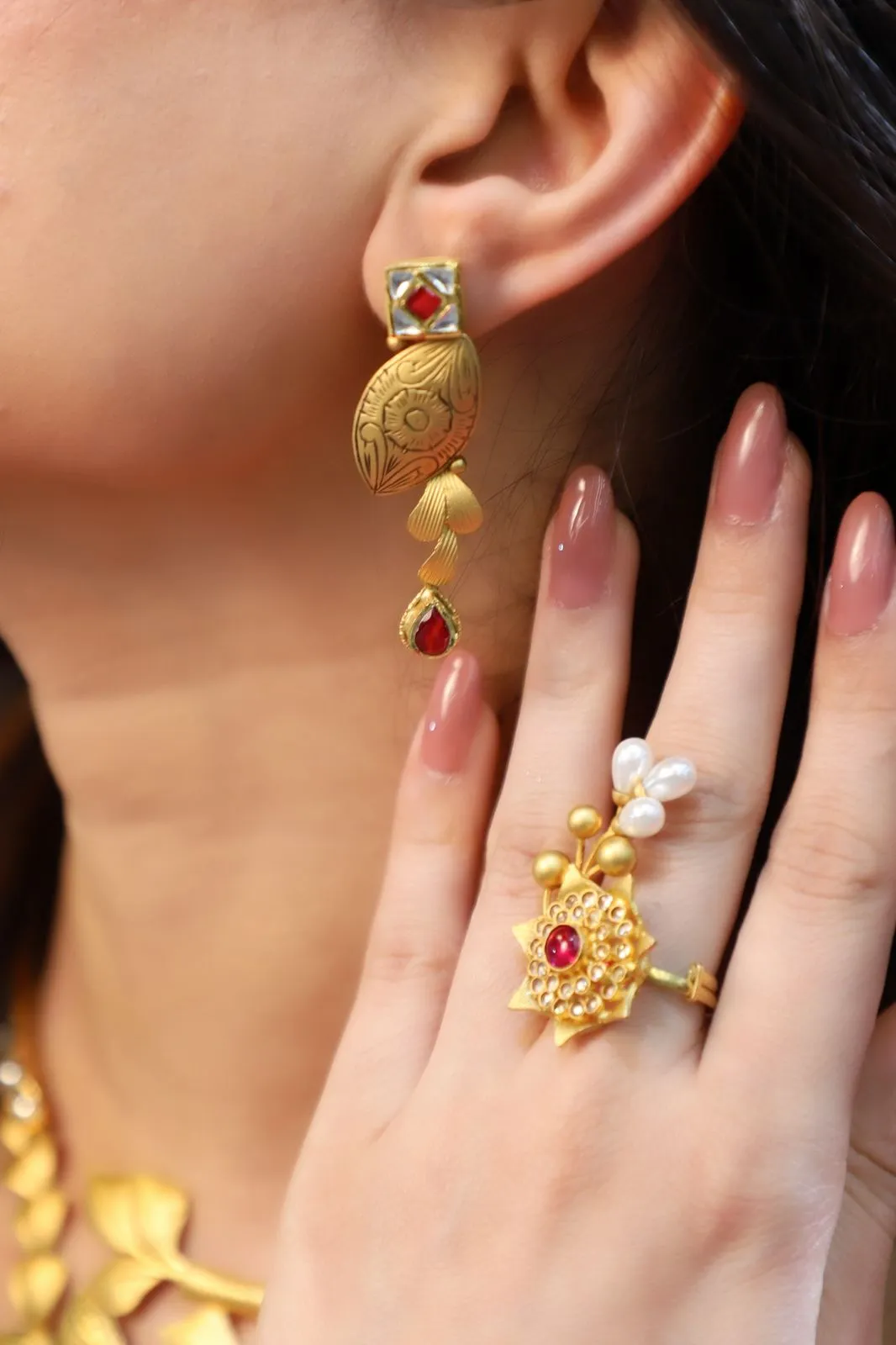
The Art Deco movement of the 1920s and 30s is often remembered for its “white on white” aesthetic, defined by the cool brilliance of platinum and diamonds. However, for the modern collector or the contemporary bride-to-be, there is a burgeoning fascination with the warmth and character of the art deco gold ring. These pieces represent a fascinating intersection of traditional craftsmanship and avant-garde design, offering a rich, sun-drenched alternative to the industrial chill of white metals. As we navigate the fashion landscape of 2026, the return to yellow and rose gold in vintage settings marks a shift toward a more personalized, heritage-driven approach to luxury, where the glow of the metal is just as important as the sparkle of the stone.
The Evolution of Metal in the Deco Era
During the height of the Art Deco period, platinum was the preferred medium for high-end jewelry because its strength allowed for incredibly fine, lace-like filigree. However, as the movement progressed and global economies shifted, gold began to play a vital role in the jeweler’s repertoire. Designers started experimenting with 18k yellow gold and even tri-color gold to add depth and contrast to their geometric creations.
Gold pieces from this era are particularly prized today because they often bridge the gap between the late Edwardian romanticism and the bold, streamlined “Moderne” style. A gold setting from the 1930s often features hand-engraved motifs that feel softer and more organic than their platinum counterparts, making them ideal for those who appreciate the Deco structure but want a piece that feels approachable for daily wear.
Signature Design Elements in Gold
When inspecting an authentic gold piece from the Art Deco era, several distinct artisanal hallmarks become apparent:
- Hand-Chased Details: Because gold is more malleable than platinum, artisans could achieve a high degree of detail in the engraving. Look for “wheat” patterns or stylized sunbursts along the shanks of the ring.
- Two-Tone Contrasts: It was common for a ring to feature a yellow gold band with a white gold or platinum “head” to hold the diamond. This was done to ensure the diamond remained colorless and bright while the wearer enjoyed the warmth of gold against their skin.
- Bold Symmetry: Even in gold, the “Deco” rules applied. Expect to see octagonal heads, step-cut accent stones (like emerald or baguette cuts), and a strict adherence to linear balance.
Why Modern Shoppers are Choosing Vintage Gold
In 2026, the “Quiet Luxury” movement has led to a massive spike in the demand for yellow gold. For engagement and wedding ring shoppers, a vintage gold ring offers a sense of “Old Money” sophistication that brand-new, highly polished retail rings often lack. The patina—the soft glow that gold develops over decades of wear—cannot be replicated by modern polishing wheels. It gives the jewelry a “lived-in” elegance that suggests a storied past.
Furthermore, the rarity factor is significant. Because platinum was so dominant during the 1920s, finding a well-preserved, high-carat gold ring with authentic Deco geometry is quite a feat for a collector. These pieces are often seen as unique treasures that stand out in a sea of white metal, providing a distinctive look for the individual who prides themselves on being a trendsetter rather than a trend-follower.
The Sustainable Choice
Beyond aesthetics, the choice of estate jewelry is a powerful statement in sustainability. In an era where consumers are increasingly aware of the ethical and environmental impacts of gold mining, purchasing an antique piece is the ultimate “green” luxury. By choosing a ring that was crafted a century ago, you are preserving a piece of history and preventing the need for further resource extraction. This alignment of high-end style with ethical responsibility is a major reason why the estate market continues to outperform traditional retail sectors.
Longevity and Maintenance
One of the misconceptions about vintage gold is that it is too “soft” for daily wear. In reality, the 18k and 14k gold alloys used in the early 20th century were often die-struck—a process that involves compressing the metal under immense pressure, making it incredibly dense and durable.
To keep an Art Deco gold piece in pristine condition, regular professional check-ups are recommended. A jeweler can ensure that the prongs holding the center stone remain secure and that the fine engraving hasn’t been worn down by neighboring bands. With minimal care, a gold ring from the 1920s is more than capable of lasting for another hundred years, eventually becoming a cherished heirloom for future generations.
Finding the Perfect Piece
Navigating the estate market requires a blend of aesthetic intuition and technical knowledge. It is essential to understand hallmarks, era-specific gemstone cuts like the “Old European” cut, and the history of the workshops that produced these icons of design. Whether you are searching for a unique engagement symbol or a significant addition to a private collection, the guidance of a professional specialist is invaluable. For those looking to discover a truly exceptional selection of historically vetted treasures, Gesner Estate Jewelry provides the expertise and curated inventory necessary to find a piece that resonates with timeless elegance and personal significance.
