

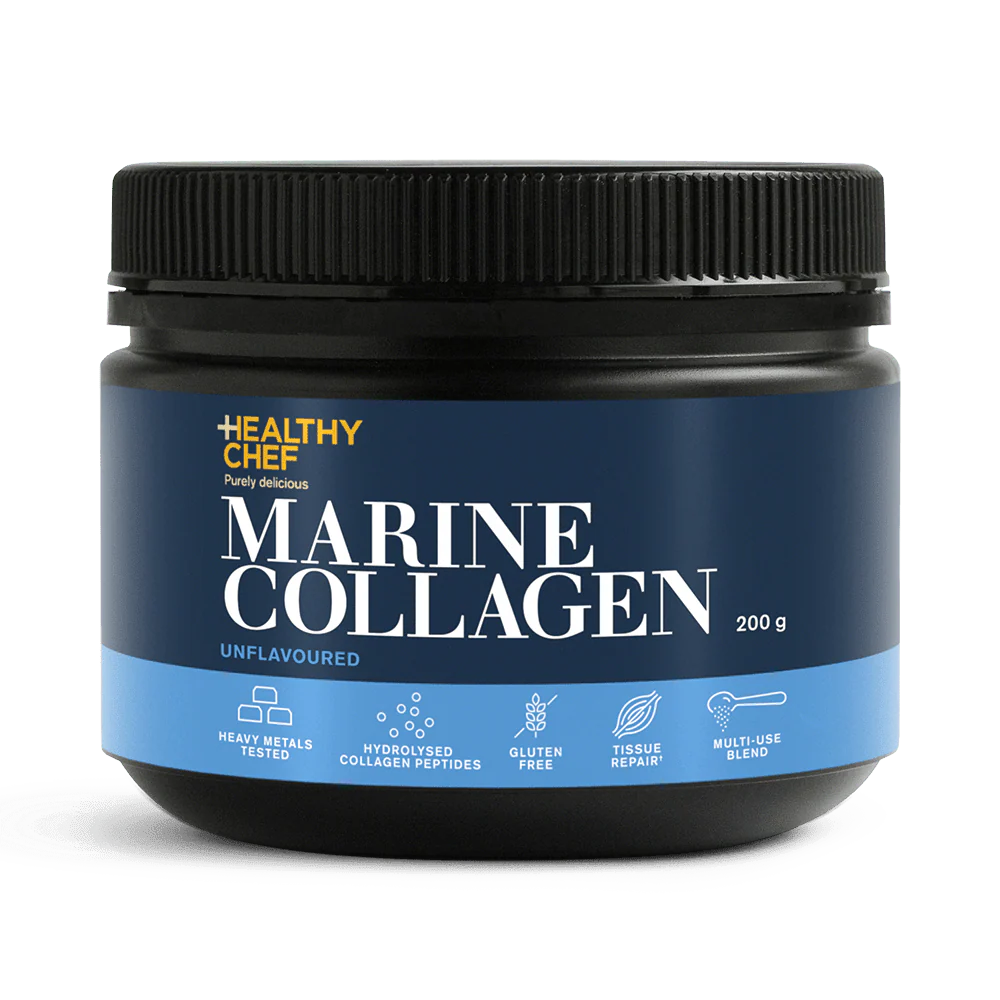
As collagen supplements continue to grow in popularity for skin, joint, and overall wellness support, safety has become a top concern among consumers. One of the most important considerations is choosing marine collagen without heavy metals. While marine collagen offers excellent bioavailability and benefits, its ocean-based origin raises valid questions about contamination and product purity.
Why Heavy Metals Are a Concern in Marine Collagen
Marine collagen is typically derived from fish skin, scales, and bones. Because these raw materials come from ocean environments, they may be exposed to pollutants such as mercury, lead, arsenic, and cadmium. These heavy metals can accumulate in marine life due to environmental contamination, particularly in polluted waters.
Although this risk exists, it’s important to understand that not all marine collagen products are unsafe. The presence of heavy metals depends largely on sourcing, processing, and quality control measures used by manufacturers.
Are All Marine Collagen Products Unsafe?
The short answer is no. High-quality marine collagen products undergo extensive purification and testing processes that remove contaminants and ensure safety. In fact, reputable manufacturers often produce collagen with heavy metal levels well below established safety limits—or even undetectable amounts.
Research has shown that while trace amounts of metals may be detected in some supplements, they typically remain within regulatory safety thresholds when products are properly manufactured.
The key takeaway is that quality matters more than the source alone.
What Causes Heavy Metal Contamination?
Heavy metal contamination in collagen supplements can occur due to several factors:
- Environmental pollution: Oceans and waterways may contain industrial pollutants that enter marine ecosystems
- Bioaccumulation: Fish can absorb toxins over time through their diet and surroundings
- Poor sourcing practices: Low-quality suppliers may use fish from contaminated regions
- Lack of testing: Some manufacturers skip rigorous quality control and third-party verification
These risks highlight why consumers must look beyond marketing claims and focus on transparency and testing.
How to Choose Marine Collagen Without Heavy Metals
Selecting a safe and high-quality marine collagen supplement involves evaluating several key factors:
- Third-Party Testing
Always choose products that are independently tested for heavy metals. Third-party lab verification ensures that the supplement meets safety standards and provides transparency. - Source Transparency
Look for brands that clearly state where their marine collagen is sourced. Clean, well-regulated waters reduce the likelihood of contamination. - Purification Processes
Advanced filtration and purification techniques can remove up to 99% of impurities, significantly lowering contamination risks. - Certifications and Standards
Products manufactured under Good Manufacturing Practices (GMP) or similar certifications are more likely to meet safety and quality benchmarks.
Potential Health Risks of Heavy Metals
Long-term exposure to heavy metals can have serious health implications. Studies link these contaminants to neurological issues, kidney damage, and weakened immune function.
Even low-level exposure over time may contribute to cumulative toxicity, which is why choosing clean, tested supplements is essential for long-term wellness.
Benefits of Choosing Clean Marine Collagen
When sourced and tested properly, marine collagen offers several benefits without compromising safety:
- Supports skin elasticity and hydration
- Promotes joint and bone health
- Provides highly bioavailable Type I collagen
- Supports hair and nail strength
By selecting a product free from harmful contaminants, consumers can enjoy these benefits with confidence.
The Role of Transparency in Supplement Quality
Transparency is one of the most important indicators of a trustworthy supplement brand. Companies that openly share testing results, sourcing details, and manufacturing processes demonstrate a commitment to quality and consumer safety.
In contrast, brands that lack transparency or provide limited information about testing may pose a higher risk.
Final Thoughts
Marine collagen can be a valuable addition to a wellness routine—but only when quality and safety are prioritized. Understanding the risks of heavy metal contamination and knowing how to identify clean, tested products empowers consumers to make informed decisions.
For those seeking high-quality collagen supplements backed by transparency and rigorous testing standards, BioOptimal Supplements offers trusted solutions designed to support health, safety, and long-term wellness.
